


Can I have juice, please?
Order
Ask Sam for a drink.
Your child orders at the café, helps a little sea turtle and joins in games, all just by talking. The island listens and answers at their level.

What would you like?
Juice, please!
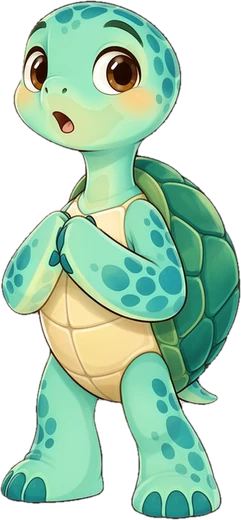
Illustration of the game, which is in development.
What would you like?
An islander asks a simple question.
Juice, please!
No typing and no reading. A few words are enough.

The juice arrives, Pip cheers, and the story moves on.
Sam: What would you like?
Juice.
Sam: Can you ask me nicely?
Juice, please.
Sam: Anything else?
Can I have juice and a hamburger, please?
An illustrated example. Every child moves at their own pace.
Can I have juice, please?
Ask Sam for a drink.


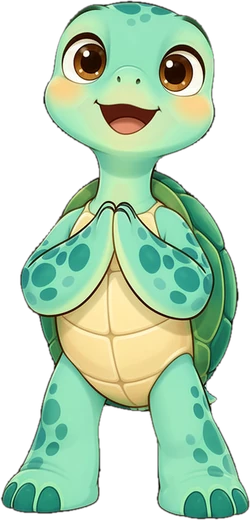
Pip wants water!
Get Pip some water.
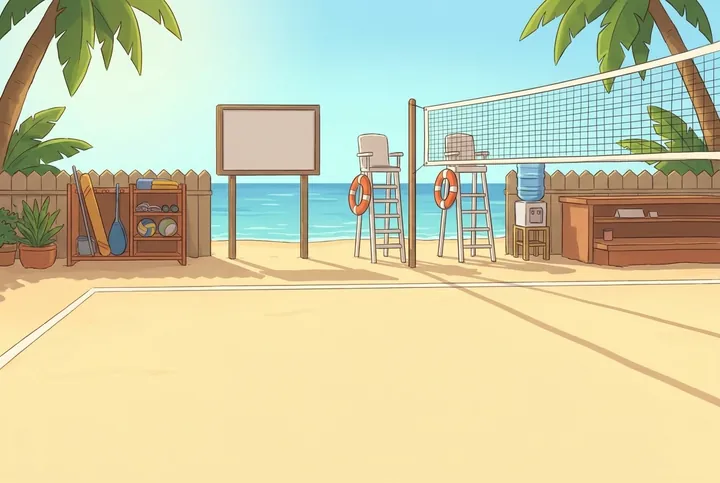

Can I play too?
Ask to join the game.
Children learn a language by using it for something that matters to them. Every mission on the island needs a few words said out loud: asking, choosing, helping, joining in. When a child gets stuck, the island offers a hint, a picture or an example, then lets them try again.
Children use English to get something done, not to recite it.
Words and phrases come up where they make sense: at the café, on the beach, on the trail.
Hints, examples and difficulty go up or down with each answer.
Useful phrases return in new places, so they stick.
This is how the game is designed. The beta is where we find out how well it works.
Background reading: British Council · Task-based learning · Council of Europe · Action-oriented approach
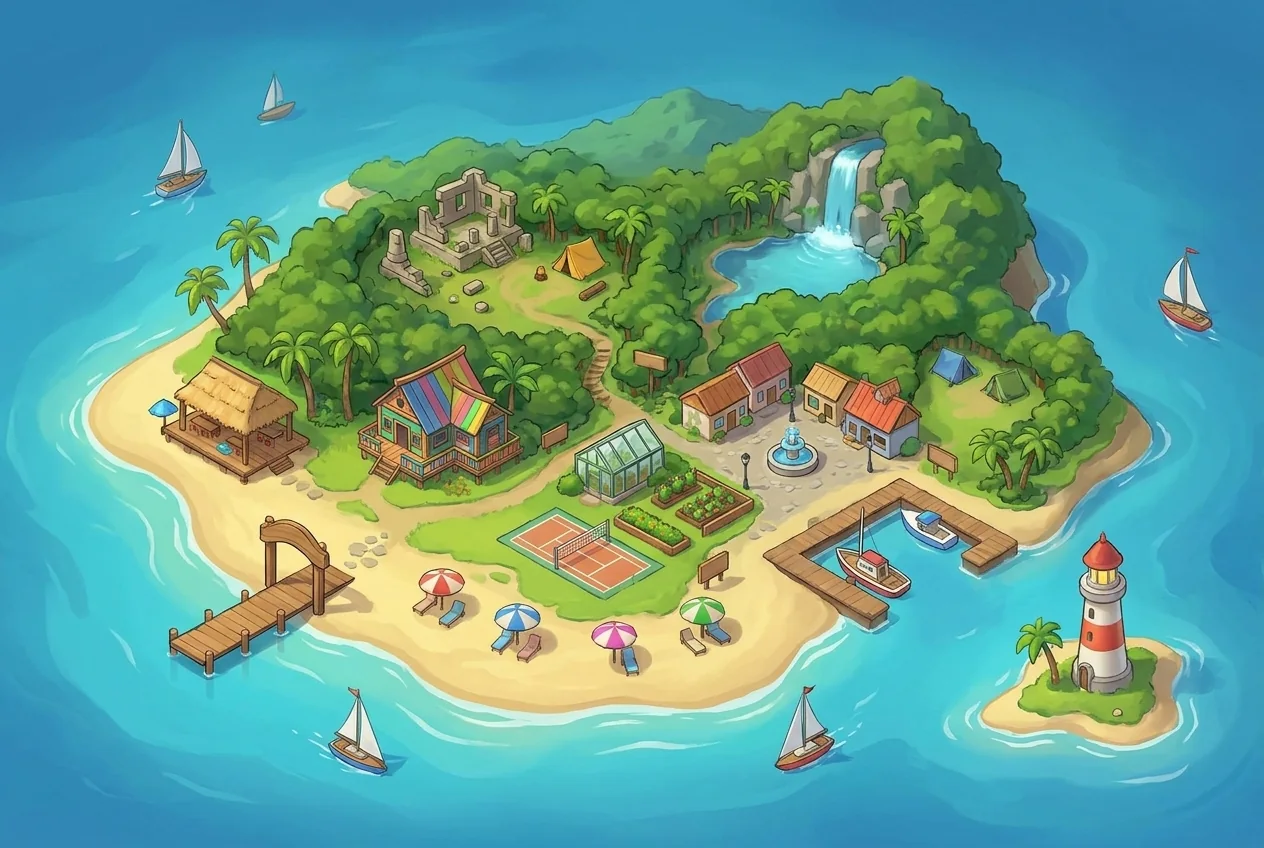
Tap a place.
Examples. More places and missions are on the way.
Tap a face to see what they ask.
Which way should we go?
What would you like?
Want to join us?
Can you help me?
We're opening Chat Island to a small group of families while we build it. Leave your email and we'll be in touch when there's a place for you.
What to expect before a session →Leave a parent’s email. We’ll share the details when there’s a suitable beta opening.
It's designed for children around 7 to 12 who aren't yet confident speaking English. Every child learns differently, so we'll talk with you about whether the beta is a good fit for yours.
The design is voice-first, using spoken examples and visual cues rather than relying on English reading. The beta will test how well that works for beginners.
The intended format is a browser game with a microphone. We’ll confirm supported devices and browsers with each beta invitation rather than promise that every phone or tablet works.
There is no payment on this website. Any participation terms or costs will be made clear with the invitation, before you choose to take part.
No. They are fictional island characters. Speech and AI services help them understand your child and answer, and like any AI, they sometimes get things wrong. Before you decide, the beta invitation explains which services we use and how voice data is handled.